Lythous™ powered by Geneura AI™ and Healthcare SMC India
Who notices the person who never asks for help?
A Lythous™ node is a room on your campus for
anyone who is struggling. Students, staff and families can walk in without an
appointment and talk to a trained person.
Universities already have
people on campus whose job is to help. But each area typically runs as its own
silo, and there is no central point of contact.
Doctors
Counsellors
Hospitals
Faculty
Student services
Technology
Unseen.Unheard.Disconnected.Unsupported.
An overwhelmed student often does not know where to go, or who
to turn to.Here is how they experience it
01They do not know there is a problemNobody puts their hand up to say they are broken. Often a person does not
know that what they are carrying has a name, or that anything can be done.
02It is already too muchA struggling individual has to figure out who to go to with their issues.
03They are often handed a listNames, departments and phone numbers. Unfamiliar places, and they have no idea which one is correct.
04Nobody is expecting themThese silos do not know they are coming, or what their issues are.
05So they go nowhereInaction is the default, and it is the most common outcome.
Many times, the first time anyone hears of a person in crisis is
after something has gone badly wrong…
03 / Why now
Why now
Indian universities must now do more than hire a counsellor.
In the court’s own words
All educational institutions shall establish written protocols for immediate
referral to mental health services, local hospitals, and suicide prevention
helplines.Supreme Court of India,
25 July 2025Guideline V of fifteen. Sukdeb Saha v. State
of Andhra Pradesh.
Failure to take timely or adequate action in such cases, especially where such
neglect contributes to a student’s self-harm or suicide, shall be treated
as institutional culpability, making the administration liable to regulatory and
legal consequences.
Guideline VIIIOn how an institution handles complaints of
harassment, ragging, bullying and assault.
Fifteen guidelines, binding on every school, college and university in India
until Parliament legislates. They ask for counsellors, referral links, written
escalation, staff training twice a year, sessions for parents, and a yearly
report to your regulator. The University Grants Commission added its own policy
on 13 January 2026.
We show you what a node covers. Your legal team decides what it
satisfies. This is not legal advice, and anyone who promises you
compliance is overselling.
04 / The possibility
The possibility
What becomes possible when we understand more of the person?
Science, medicine and technology give us remarkable abilities. Their
greatest promise may not be what they can do for us, but what they help us
understand about ourselves and what we can become.
Human Infrastructure™ is the connecting layer around a person. It brings
together human connection, understanding, care, technology, resources and
follow-through. Not only when somebody becomes ill. Not only when somebody
reaches crisis. Throughout a life.
Lythous™ begins with the person.
Instead of beginning with “which of
our services do you need?”, we begin with:
Who are you?
What is happening in your life?
What matters to you?
What might help you move forward?
Then we try to understand more of the person, so the right people, care and
resources can be organised around what they actually need.
Health
Mind
Family
Relationships
Education
Work
Lifestyle
Environment
Circumstances
Barriers
Strengths
Goals
Hopes
Possibilities
Your life is not fragmented.Your care should not be either.
05 / The solution
The solution
We organise around the person, not the other way round.
Before · each service holds a pieceAfter · organised around the person
Anyone can walk in, whether or not they would call it a problem. If
somebody needs more than a conversation, we connect them to the right person
and stay with them.
No appointment
No paperwork
No waiting list
A Lythous node is
A room with people there to help you on your journey
A way into the people and help already around you
An Ambassador who is with you until your journey is complete
It is not
A clinic
A counselling service
Somewhere you become a patient
A Lythous node is not a place. It is a beginning, to become.
You don’t have to know what’s wrong, or have a reason that sounds
serious enough.
Just make contact. Walk in, phone, text,
WhatsApp or email.
06 / The room
Inside a Lythous node
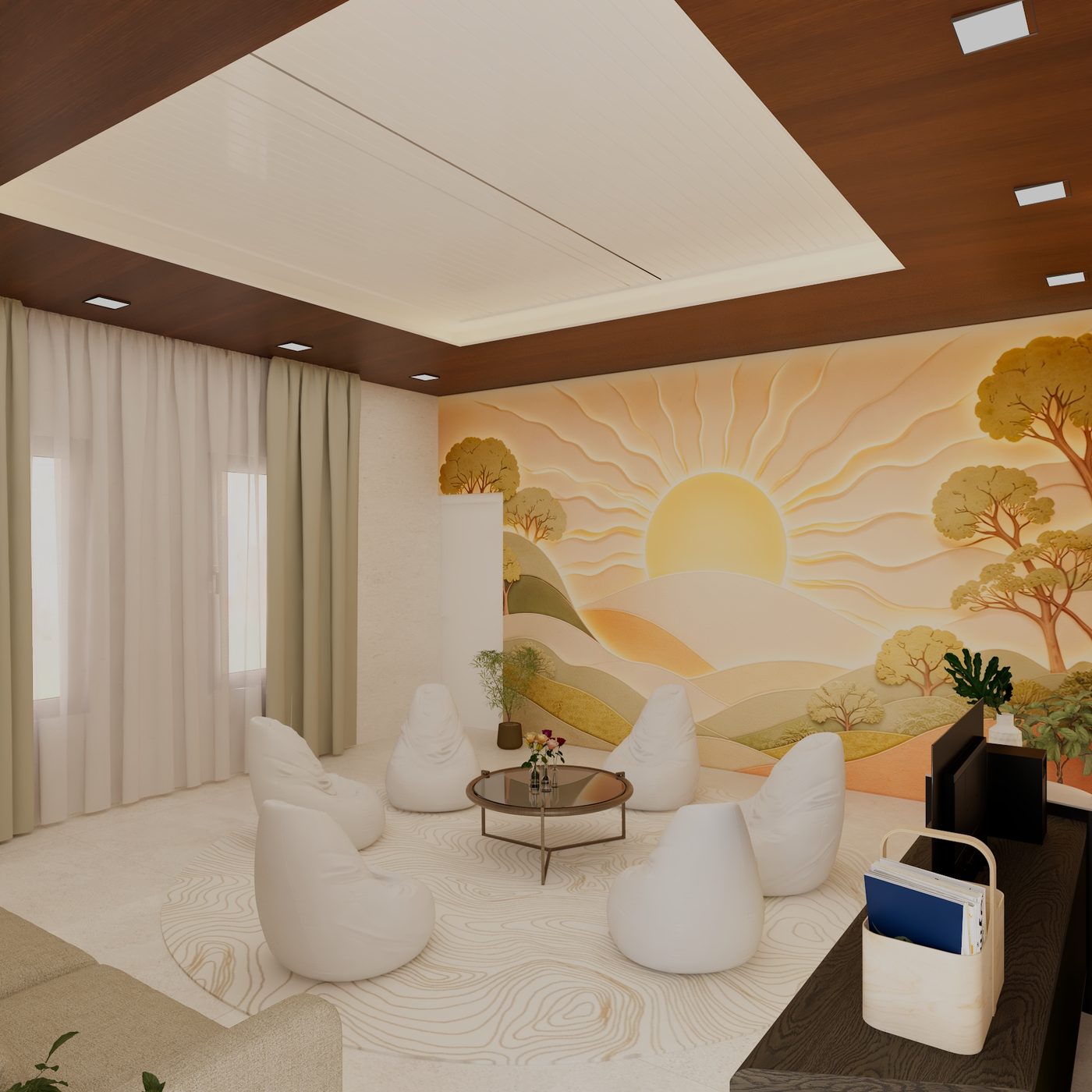
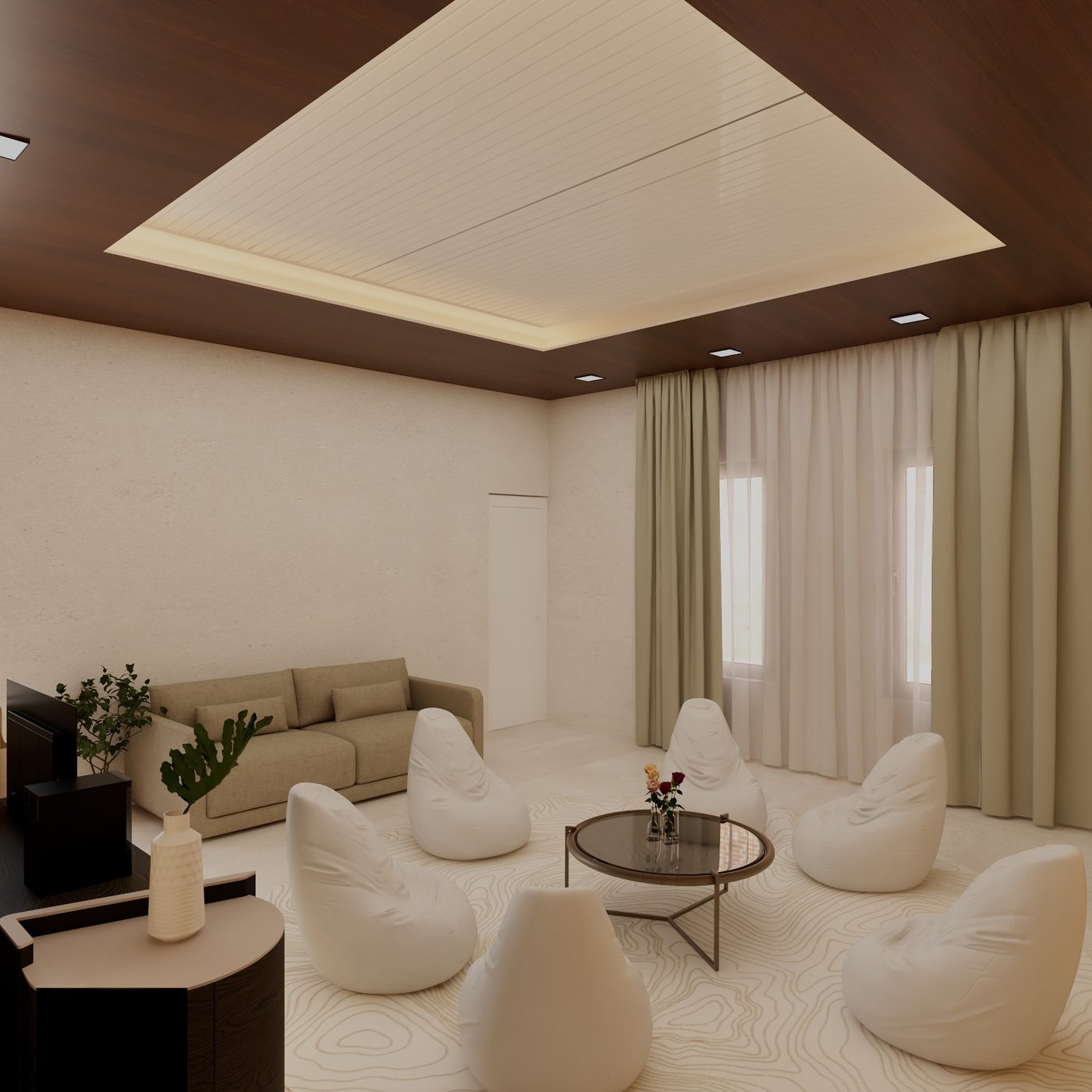
A room you would choose to sit down in.
This is where someone who is struggling
comes to sit and talk. No desk between two people, and nothing that makes you
feel you are being examined.
Daylight and low seating instead of office furniture.
A circle around a low table, not across a desk.
Five spaces, and a door anyone can walk through.
Select a space to see what it is for.
This plan shows the idea, not an exact layout. Each node is
fitted to the space the university provides.
07 / Everyone on campus
Everyone on campus
A campus is more than its students.
The same room and the same people, there for
anyone the university is responsible for.
Students
Including the ones who would never book an appointment. You do not need a reason, or a name for what is wrong.
Faculty & staff
Confidential support for staff too, and training for the day a student comes to them first.
Families
Sessions for parents and guardians, and somewhere to turn when a family is carrying more than anyone can see.
08 / How it works
How it works
Five steps, from noticing someone who feels unseen and unheard. An Ambassador is
responsible for each one.
01
Recognition
Some people reach out themselves. Others are invited by a trained Ambassador, who notices what a timetable misses: the student who is always alone, or the one who stopped turning up.
02
Engagement
A conversation on the person’s terms, in the room or by phone, text or WhatsApp.
03
Navigation
We work out what would help, and which of the university’s existing resources fits.
04
Escalation
A written plan covers anyone at risk: it names who is contacted, in what order, and how fast.
05
Follow-through
We go with the person until they have arrived and confirm that they did, and afterwards somebody checks back with them.
09 / The network
The network
Somebody real, at the other end.
A connection only counts if a person is
waiting at the other end, so behind every node stand eleven independent
qualified professionals across India, each with checked credentials and a
separate practice.
Listener
Ambassador
Navigator
Clinician
Providers and community
Technology can connect
systems. Human Infrastructure™ connects people.
Dr Nitin A. LalClinical psychologist
Dr Gaurav RamaniCounselling psychology
Dr Rajinikanth SukineChild & adolescent
Dr Osheen Singh YadavCorporate wellbeing
Dr Janvi AgarwalCounselling psychology
Dr ManavCounselling psychology
Dr Mansi GuptaOnco-psychology
Sana BepariClinical, DBT and EFT
Dr Anjita SinghCounselling psychology
Dr Naghma JavedPsychologist and educator
Reena PatelCounselling, CBT and REBT
A Lythous node connects people
to these professionals. It does not employ them to deliver care, and it does not
deliver care itself. .
From vision to deployment
The first one is already being built.
Major Ram Veer Singh Shiksha Sansthan
Founding University Partner, India
Shikohabad, Firozabad, Uttar Pradesh
With Director Ram Bresh Bhadauriya (Yadav)
Every student arrives with
more than an academic life. They bring their health, their family, their money
worries, their hopes. The first Lythous node in Uttar Pradesh is where we start
building a campus that can see more of that.
10 / The standard
The standard
Before crisis begins.
The mark on the door of every node. It
names the point of the whole thing: to reach somebody who has not been
seen, while it is still a conversation.
ConnectedTo a person first, and then to whatever they actually need.
AcknowledgedSomebody knows they came, and remembers when they come back.
RespectedNo file opened without them knowing. Nothing assumed about them.
EmpoweredThey leave knowing what happens next, and who is doing it.
CARE™ is
not a slogan but the standard every node is measured against: Connected,
Acknowledged, Respected, Empowered.
11 / If you need someone
If you need someone
You can just make contact.
You don’t have to know what’s
wrong, or call it anything, or have a reason that sounds serious enough.
Walk inThe Lythous roomCampus address, opening hours.
01You reach out, or you just turn up.
02You talk to a person. Nothing is written down about you without you knowing.
03If it would help, we find the right professional and go with you.
04Someone checks back afterwards.
If someone is in immediate danger
112Emergency services, anywhere in India. Police, ambulance and fire, one number.
14416Tele-MANAS, the national mental health helpline. Free, day and night, in twenty languages.
1800 599 0019KIRAN, the national mental health rehabilitation helpline.
The number above is the published Healthcare
SMC India line. Each campus gets its own numbers when its node opens.
12 / What changes
What changes
What is different a year after a node opens.
People come forward who never would have. Not the students who
already book appointments, but the ones who were never going to.
The services you already pay for get used, and used earlier. A node
does not add another service. It makes the ones you have easier to reach, and
reaches people while it is still a conversation.
You can see whether it is working. You get figures with no
names attached: how many people came, how many were connected onward, and how many
arrived. Once a year there is a report you can put in front of a regulator,
and it never carries anybody’s name.
What leadership sees. How much the
room is used, how people engage, and whether connections are followed through,
all reported without names. Enough to act on, and nothing that identifies a
person.
13 / Readiness assessment
Start here
How ready is your campus to reach a student who is struggling?
Fifteen questions, three minutes. You get a readiness score, the gaps
we found, and a short summary you can send to colleagues. No obligation, and no
sales call unless you ask for one.
Your answers stay in this browser. Nothing is recorded about
anybody who does not send it.
Readiness assessment
0 of 15
Answer for the university
as a whole, from what you already know. Nothing needs looking up, and no answer
counts against you.
14 / Become
We see you.We connect you.You become.™
15 / Where it works
Where it works
Where do we put Lythous™ nodes?
Naming notice
Lythous™, formerly known as Lighthouse
Lythous™ is the current name for the Geneura Human Infrastructure™
system and deployment architecture previously referred to in certain materials as
“Lighthouse” or “Light House”. References to those names in prior
Healthcare SMC-Geneura materials refer to what is now known as Lythous™.
They are not two different systems or programmes. If you arrived from a poster, a
billboard or a QR code that said Lighthouse, you are in the right place.
How the names sit together
Geneura AI
Human Infrastructure
Lythous
Healthcare SMC-Geneura
India deployments
The person
Trademarks
Trademark notice
Filed in India
Mary on the Bench™, Human Infrastructure™, Human Presence Layer™, Human
Engagement Ecosystem™, The Lythous Immersion Experience™, Founding Lythous
Node™, HIO™, SENTIENT™ and the Lythous™ device are the subject of
trademark applications filed with the Trade Marks Registry, Mumbai, by
Geneura AI, Inc.
Also claimed
Geneura™, Geneura AI™, CARE™, Before Crisis Begins™ and related
proprietary methodologies are trademarks and/or intellectual property of
Geneura AI, Inc.
CARE™
Connected, Acknowledged, Respected, Empowered. Those are the four words in
the band near the top of this page. They are the framework, not a slogan.
Delivered in India by HealthcareSMC-Geneura LLP under licence
from Geneura AI, Inc. No ownership rights transfer through participation,
licensing, implementation, operation, collaboration or deployment.
Operator and licence
Healthcare SMC-Geneura LLP is an authorised India operator and
licensee of certain intellectual property, technology, systems, methodologies and
brands of Geneura AI, Inc., USA. Lythous™, Human Infrastructure™,
CARE™ and other designated Geneura marks, frameworks and proprietary
materials are owned by or used under authorisation from Geneura AI, Inc., as
applicable. All rights reserved.
Disclaimers
What this is, and what it is not
Not a clinical service
A Lythous™ node is not a clinic or a counselling service. Nobody who walks in becomes a patient. When someone needs professional care, we refer them to an independent qualified professional. From that point the relationship is with them.
In an emergency
If someone is in immediate danger, call emergency services.
On regulation
This site sometimes refers to guidance for universities and colleges. Where it does, we set out what a node covers next to what that guidance asks for. That is a map, not a compliance assessment, and it is not legal advice. Whether it satisfies the guidance is a question for your legal team. Anyone promising you compliance is overselling.
On the room plan
The room plan is a guide, not a fixed design. Each node is fitted to the space the institution provides.
Delivery and marks
Delivered in India by HealthcareSMC-Geneura LLP under licence from Geneura AI, Inc. The full trademark notice is in the Trademarks panel in the footer.
Privacy
What this page does with your data
This page sets no cookies, and runs no analytics, advertising or tracking of any kind.
The readiness assessment
Your answers stay in your browser while you work through it. Nothing is sent anywhere, and we record nothing about anyone who does not choose to send it.
Fonts
The fonts on this page come from Google Fonts, so your browser asks Google for them when the page loads. That request sets no cookie.
If you contact us
Talks by phone, WhatsApp, text or in person are covered by the full privacy statement, which publishes with the site. It says what is recorded, who can see it, and how long it is kept.
Terms
Terms of use
Full terms of use publish with the site. Until then, here is what matters most:
Nothing on this page is an offer of care or a substitute for professional advice
We do not guarantee regulatory compliance here, and nothing here is legal advice
Figures, timelines and the room plan are a guide. Final details are confirmed when a node is set up
Named professionals practise in their own right. A node refers to them; it does not employ them to deliver care
If anything on this page is unclear or looks wrong, tell us. We will fix it.
Who we serve
Universities and colleges
“How do we support the thousands of students who never walk into counselling?”
The reality
Most institutions already have counsellors, doctors, wardens and student services. A struggling student never meets any of it as one system. They meet a list of places they have never been, and none of those places knows they are coming.
What a node adds
A staffed room anyone can walk into. No appointment, no referral letter
Trained Ambassadors whose job is to notice the student who never asks
A written protocol for urgent cases: who is contacted, in what order, how quickly
A formal referral route to independent qualified professionals
Somebody who stays with the student until they have arrived, and checks back afterwards
What leadership sees
Anonymised numbers on use, engagement and follow-through, plus an annual report. Never individual names.
We show you what a node covers against recent Supreme Court and UGC guidance, line by line, with the source for every claim. Your legal team decides what it satisfies. Anyone promising you compliance is overselling.
“Our people already have benefits. Are they actually reaching them?”
The reality
Most employers already have an assistance programme, but its figures only count the people who asked for help. The people who are struggling and never call do not appear in them at all.
What a node adds
A front door on site, staffed by people. No form needed
Trained people who notice, rather than a service that waits to be contacted
A route to independent qualified professionals, with follow-through after the referral
Not a clinical service. Nobody who uses one becomes a patient.
The gap is rarely clinical capacity. It is the weeks between appointments, when nobody is responsible for the person and nobody notices that they stopped coming.
What a node adds
A non-clinical layer around the clinical one
Someone who spots trouble early, helps the person find the right service, and follows through between appointments
A person who checks that the handoff actually happened
A node delivers no care and sits outside your clinical governance. Referral goes to independent qualified professionals, and from that point the relationship is with them.
“How do we build this for a whole population, on top of what already exists?”
The reality
Public services usually exist already. What is missing is the layer that makes them work as one system around one person, and the reporting that shows whether they did.
What a node adds
A model that connects existing services rather than replacing them
Population tiers, so each node fits the size of its community
Anonymised reports on use, referrals and follow-through
We show you what a node covers against recent Supreme Court and UGC guidance, line by line, with the source for every claim. Your legal team decides what it satisfies. Anyone promising you compliance is overselling.
You practise in your own right. A Lythous™ node refers people to you. It does not employ you to deliver care, and it does not deliver care itself.
What that means in practice
From the point of referral, the relationship is between you and the person
You keep your credentials, your standards and your record keeping
Referrals arrive with context, not as a name and a number
Joining the network
Enquiries go to the Healthcare SMC India line on +91 96346 76724.
About
Healthcare SMC India
We build human infrastructure for institutions. It joins up the people and services already around a person who is struggling, and it does not replace them.
How it fits together
Geneura AI owns the work and looks after it
Human Infrastructure™ is the framework
Lythous™ nodes are where it becomes visible inside a community
Global architecture, local implementation
Geneura AI, Inc., in the United States, owns and looks after the intellectual
property, technology, systems, methods, frameworks and brands behind this work.
Healthcare SMC-Geneura is the India operating organisation. It works here under
licensing and operating rights granted by Geneura AI, Inc., bringing that
architecture together with Indian institutions, professionals and communities.
Healthcare SMC-Geneura did not create or own the underlying Geneura
intellectual property. It is the authorised India operator and licensee.
Trust and safety
Where the boundary sits
A Lythous™ node is not a clinic or a counselling service. Nobody who walks in becomes a patient. When someone needs professional care, we refer them to an independent qualified professional. From that point the relationship is with them.
If someone is in immediate danger
Call 112 for emergency services anywhere in India. Tele-MANAS, the
national mental health helpline run by the Ministry of Health and Family Welfare, is
14416, free and open day and night in twenty languages. KIRAN, the
national mental health rehabilitation helpline, is 1800 599 0019.
If someone is at risk
A written protocol covers anyone judged to be at risk. It names who is contacted, in what order, and how quickly.
What is recorded
A full statement publishes with the site. It says what is recorded about a person, who can see it, and how long it is kept.
Contact
Talk to someone
If you need support
Call, message or walk in. Someone answers, and it is not a menu.
The readiness assessment takes three minutes. It gives you a score, the gaps we found, and a summary you can forward to colleagues. No obligation, and no sales call unless you ask for one.

 Dr Nitin A. LalClinical psychologist
 Dr Gaurav RamaniCounselling psychology
 Dr Rajinikanth SukineChild & adolescent
 Dr Osheen Singh YadavCorporate wellbeing
 Dr Janvi AgarwalCounselling psychology
 Dr ManavCounselling psychology
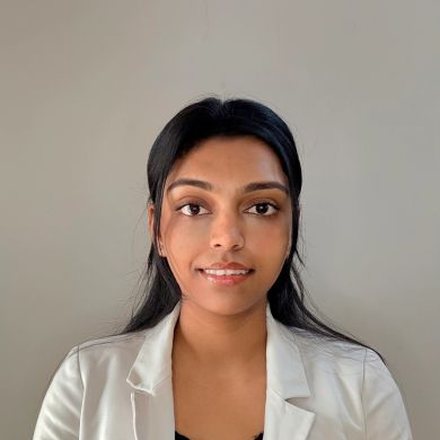 Dr Mansi GuptaOnco-psychology
 Sana BepariClinical, DBT and EFT
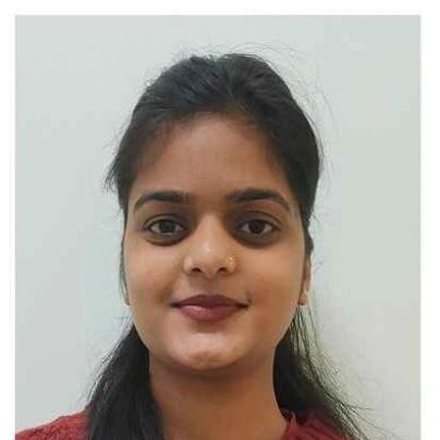 Dr Anjita SinghCounselling psychology
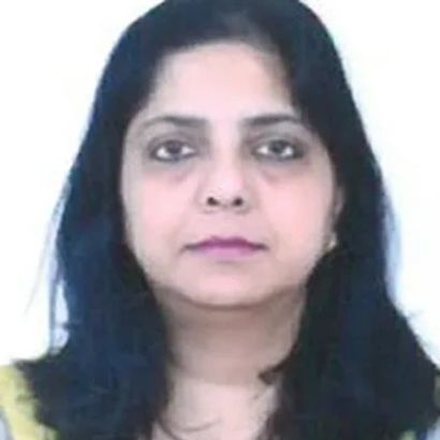 Dr Naghma JavedPsychologist and educator
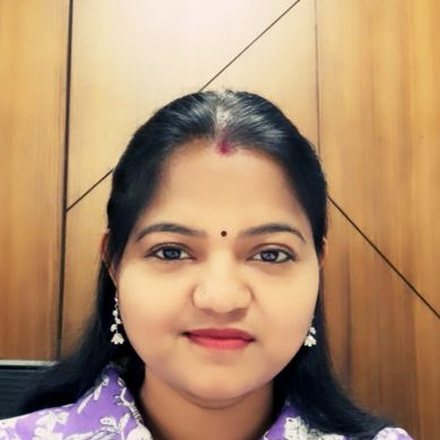 Reena PatelCounselling, CBT and REBT